For a young artist, as good as he is, Ronald Odur has a stellar reputation. His work is so sought-after, among collectors and scholars, that it would seem there is a lot of pressure on his 34-year-old shoulders. But he remains humble, taking the big expectations in good stride.
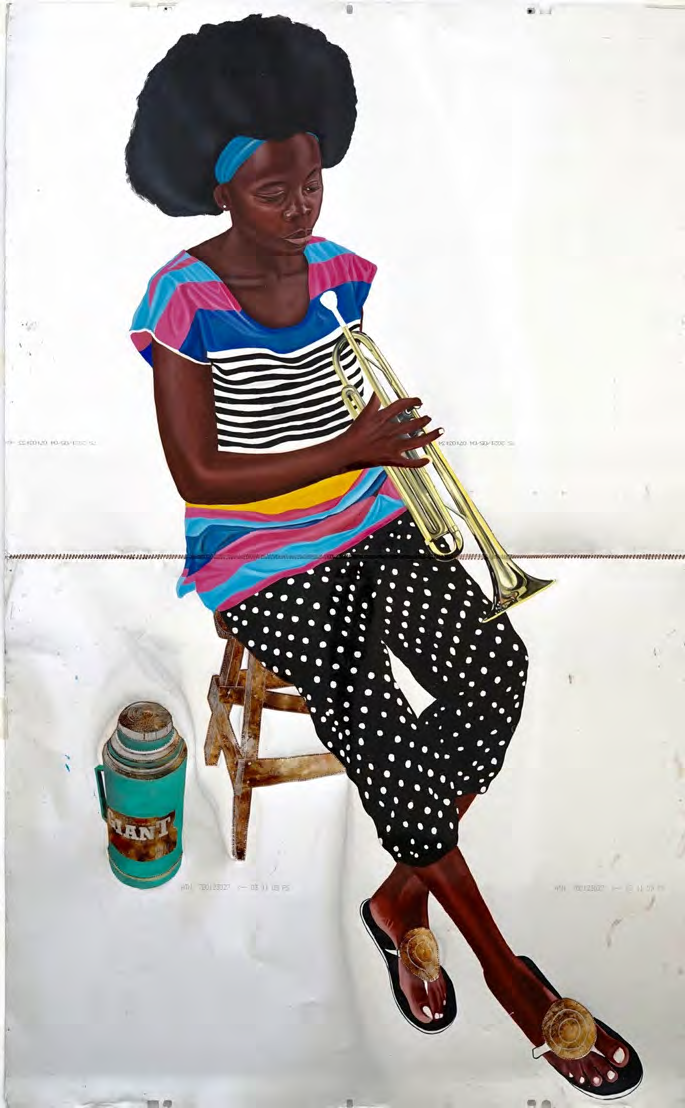
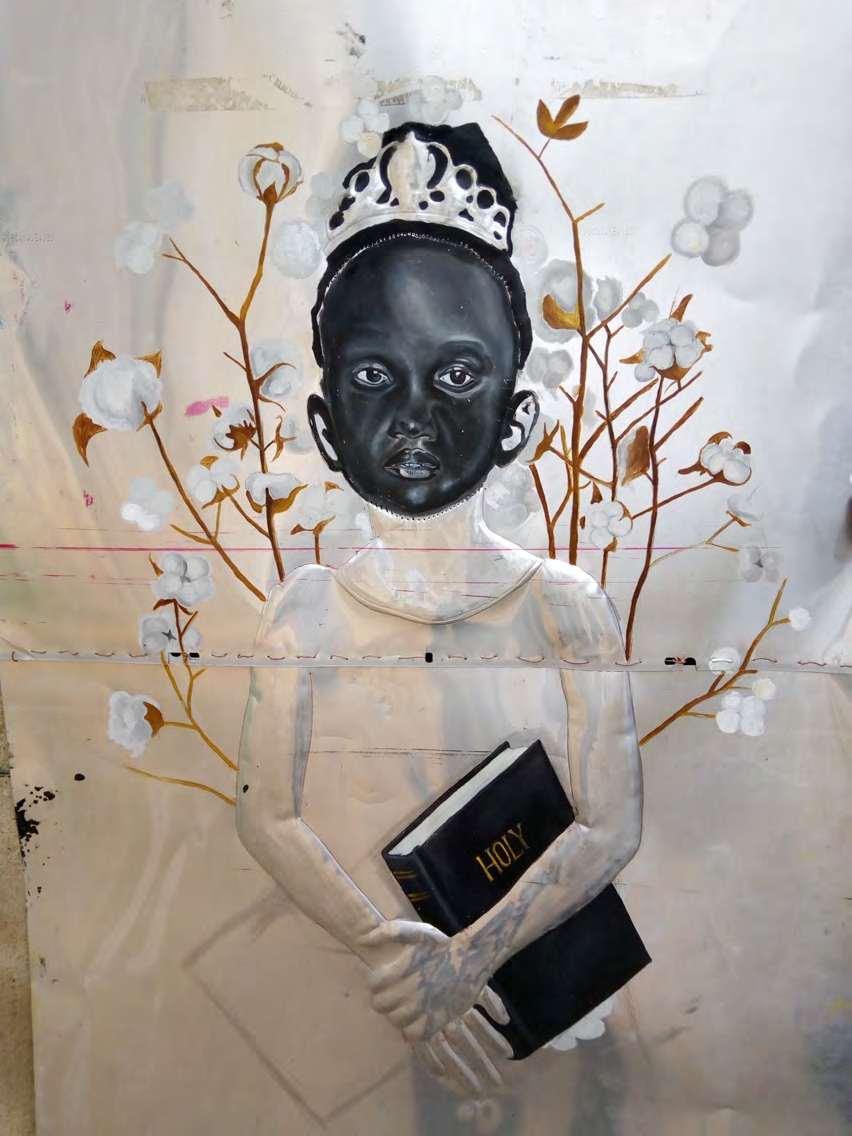
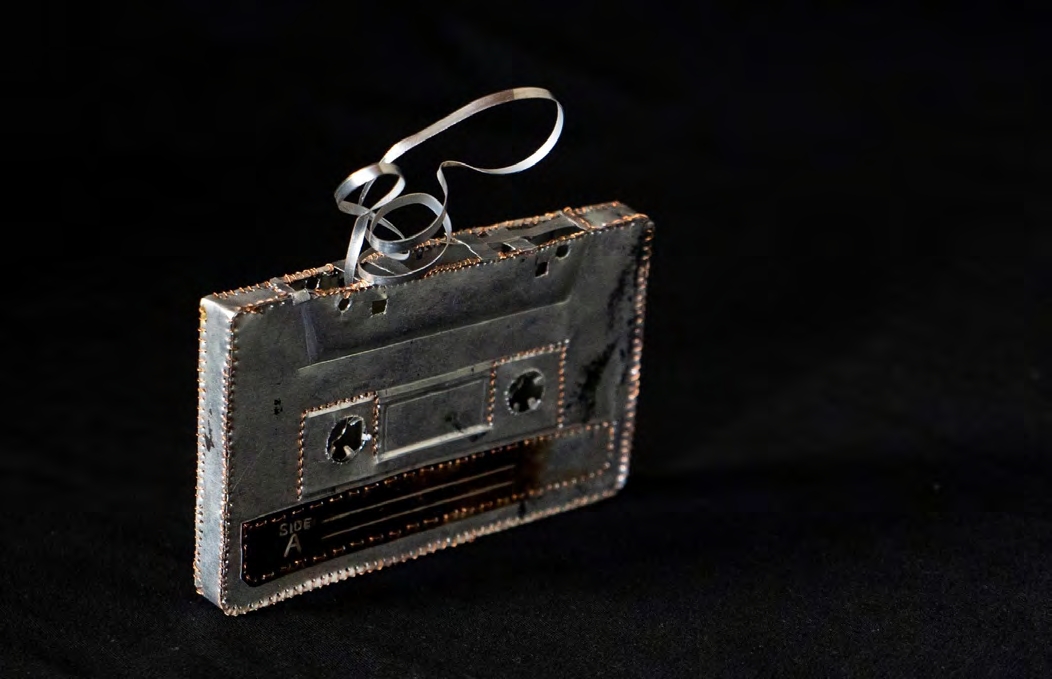
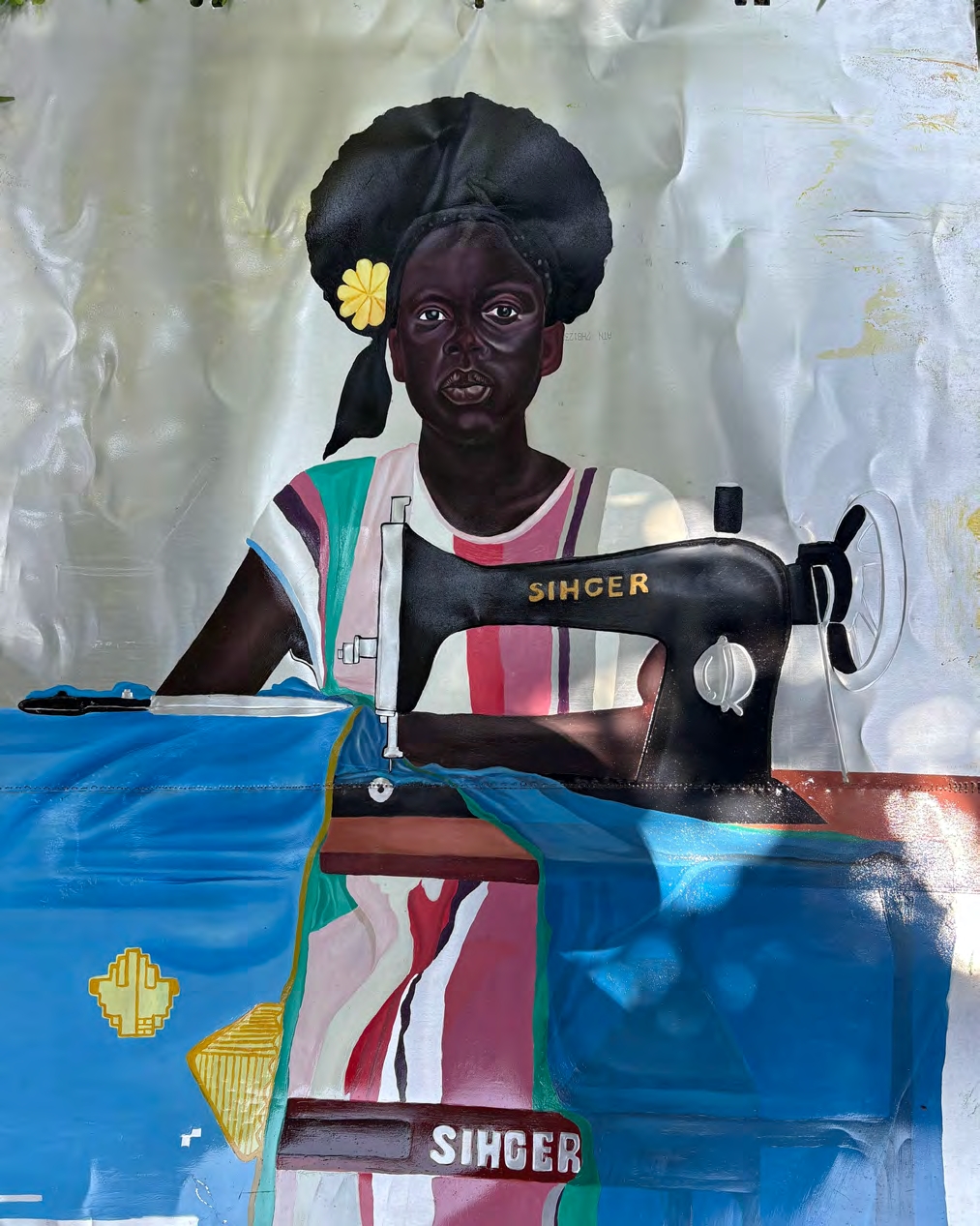
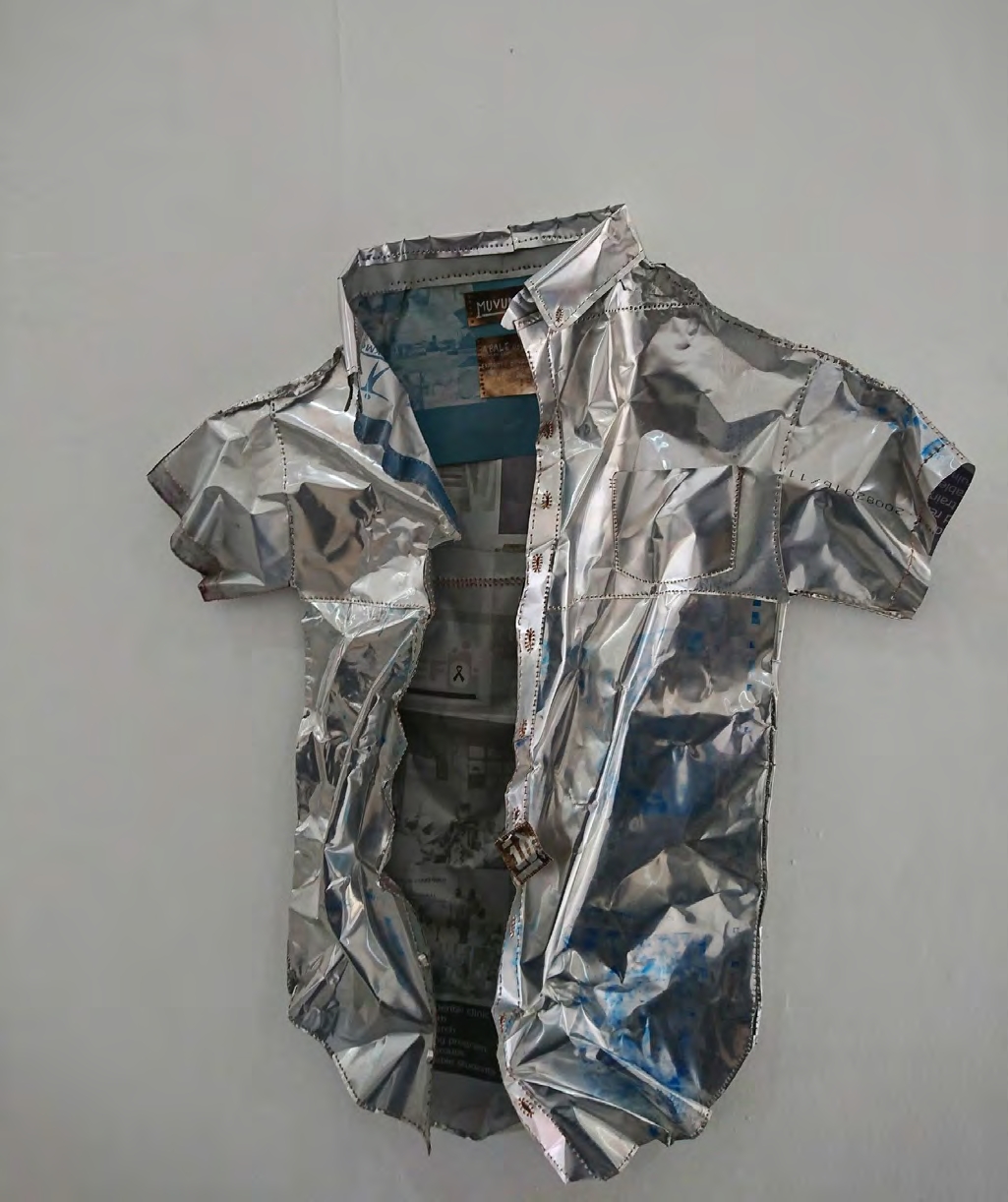
In a relatively short period of time, Odur has produced work that engages thoughtfully with belonging, with the politics of migration, with solitude, and with freedom of speech. The aluminum plate is often his primary material, using it like a canvas or manipulating it with stitches, dents and burns. The best of Odur’s work is loaded with beauty as much as ideas, marking him as an important artist.
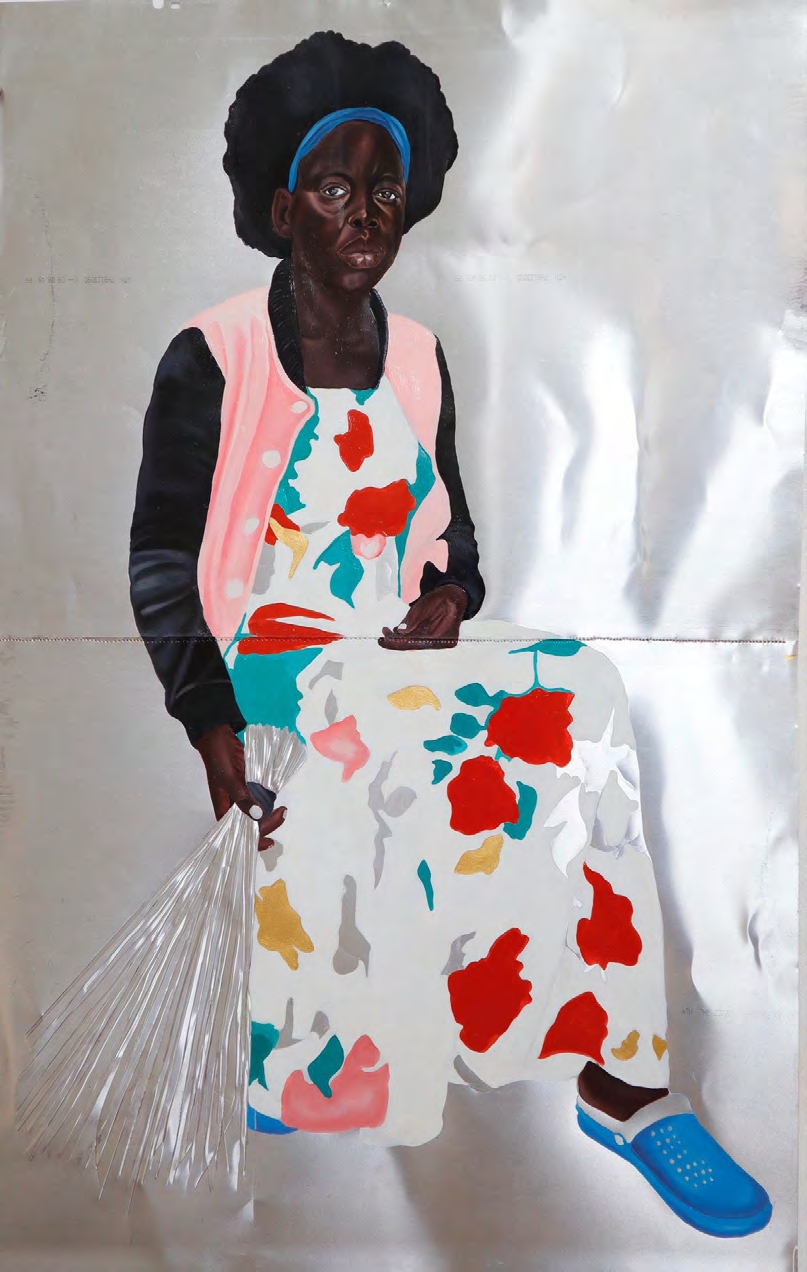
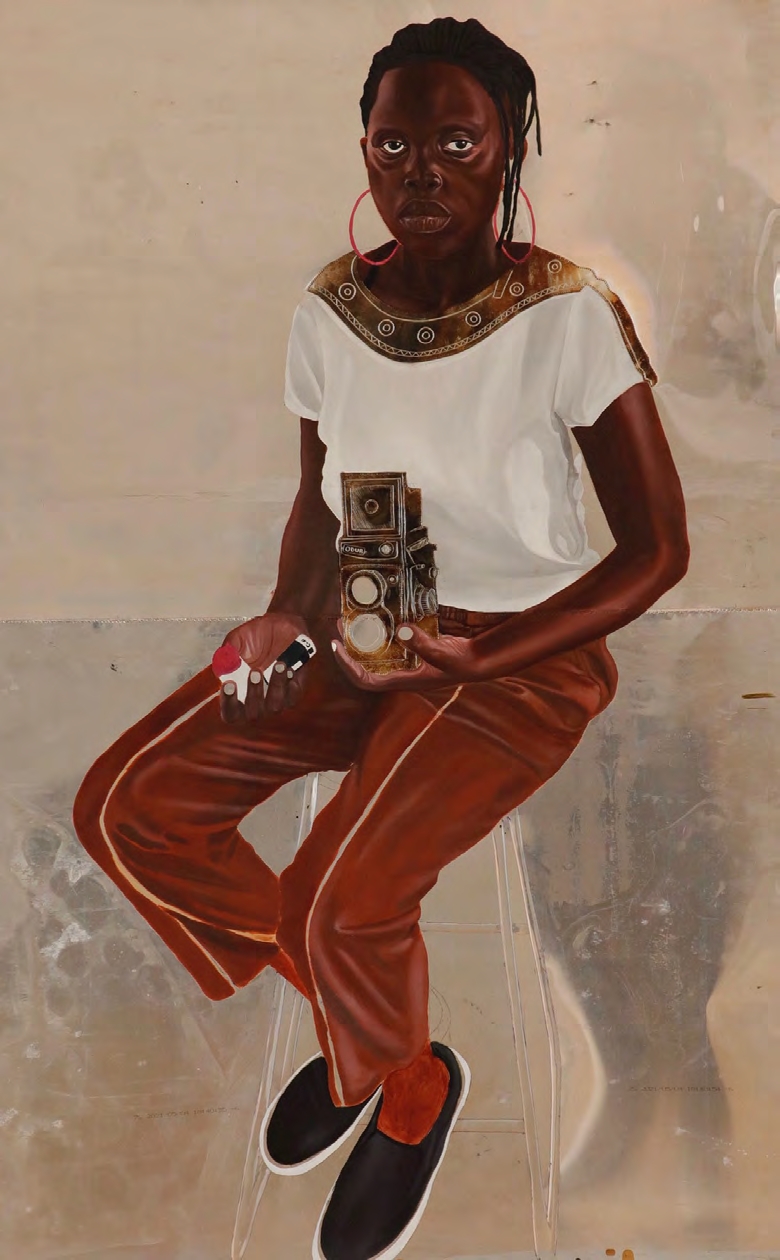
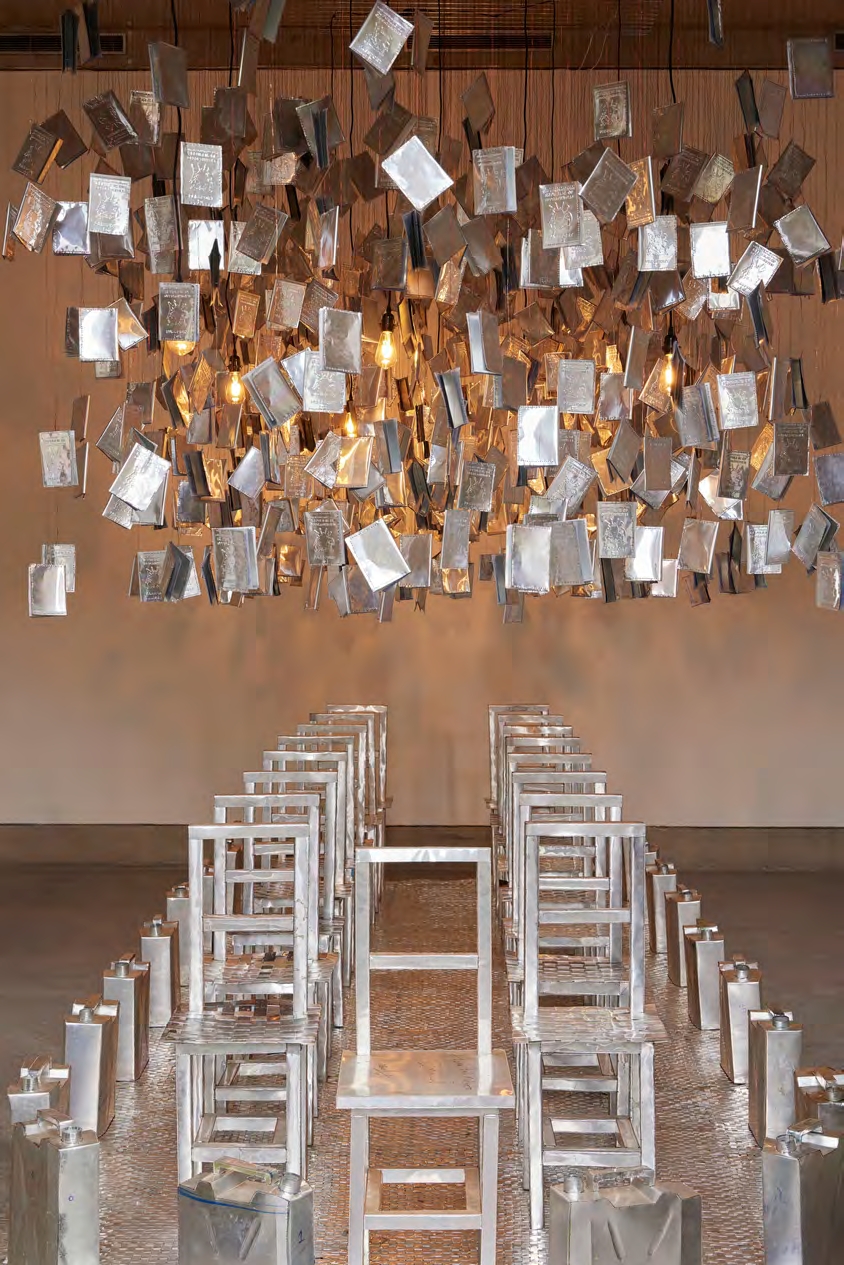
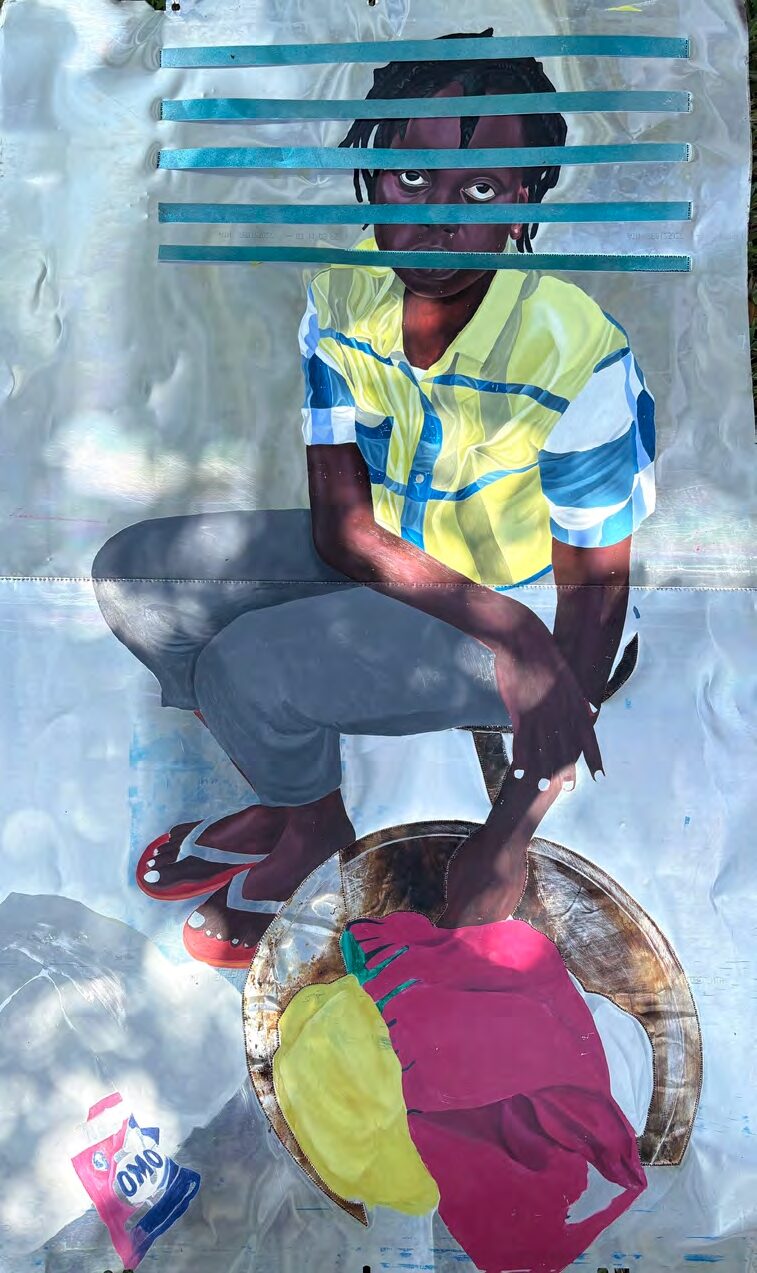
TWR is proud to present a portfolio of only a dozen works, curated in collaboration with the artist. Many of them are now in private collections; others are part of Odur’s ongoing conceptual studies. His oeuvre falls under three specific themes: The Art of Offense, his installations exploring freedom of speech; Women Resting, about the various guises of solitude for women; and Republic of This and That, his exploration of the politics of migration through his imaginative recreations of passports.
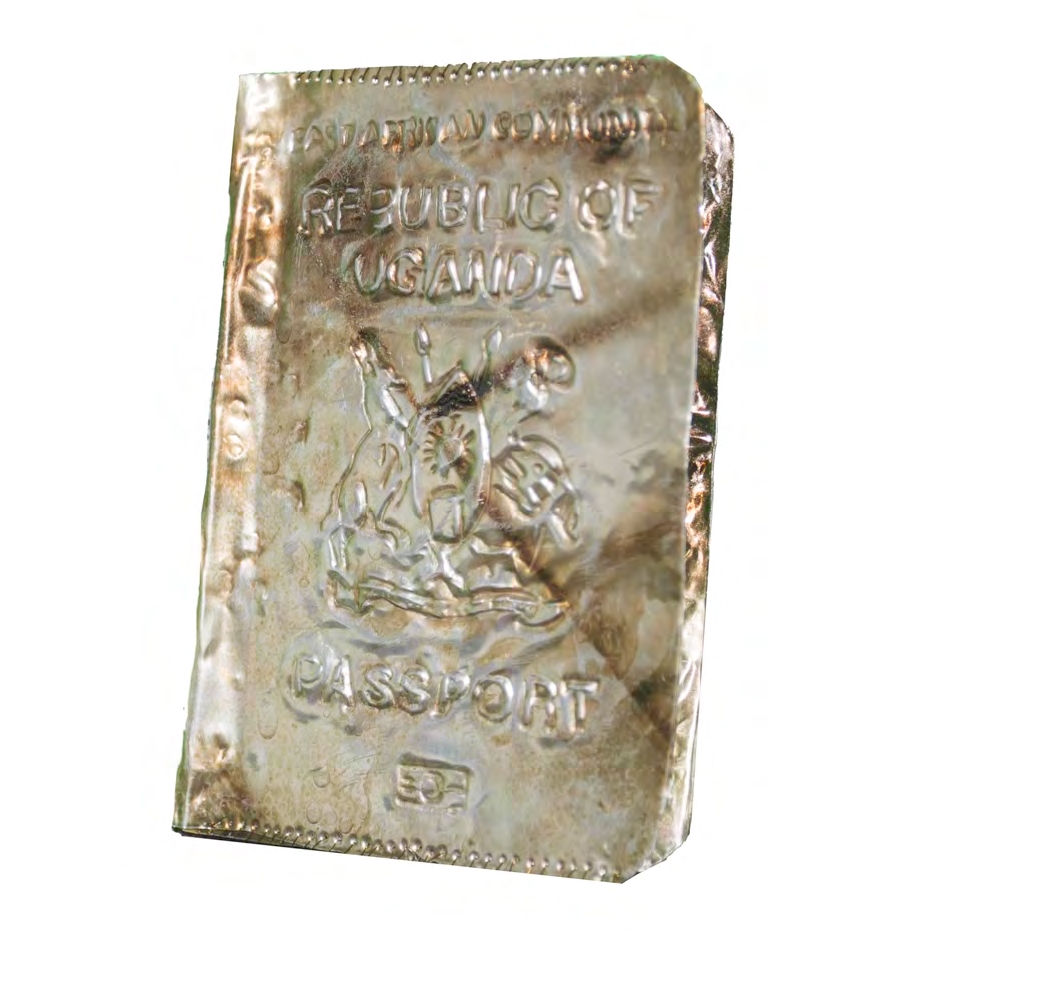
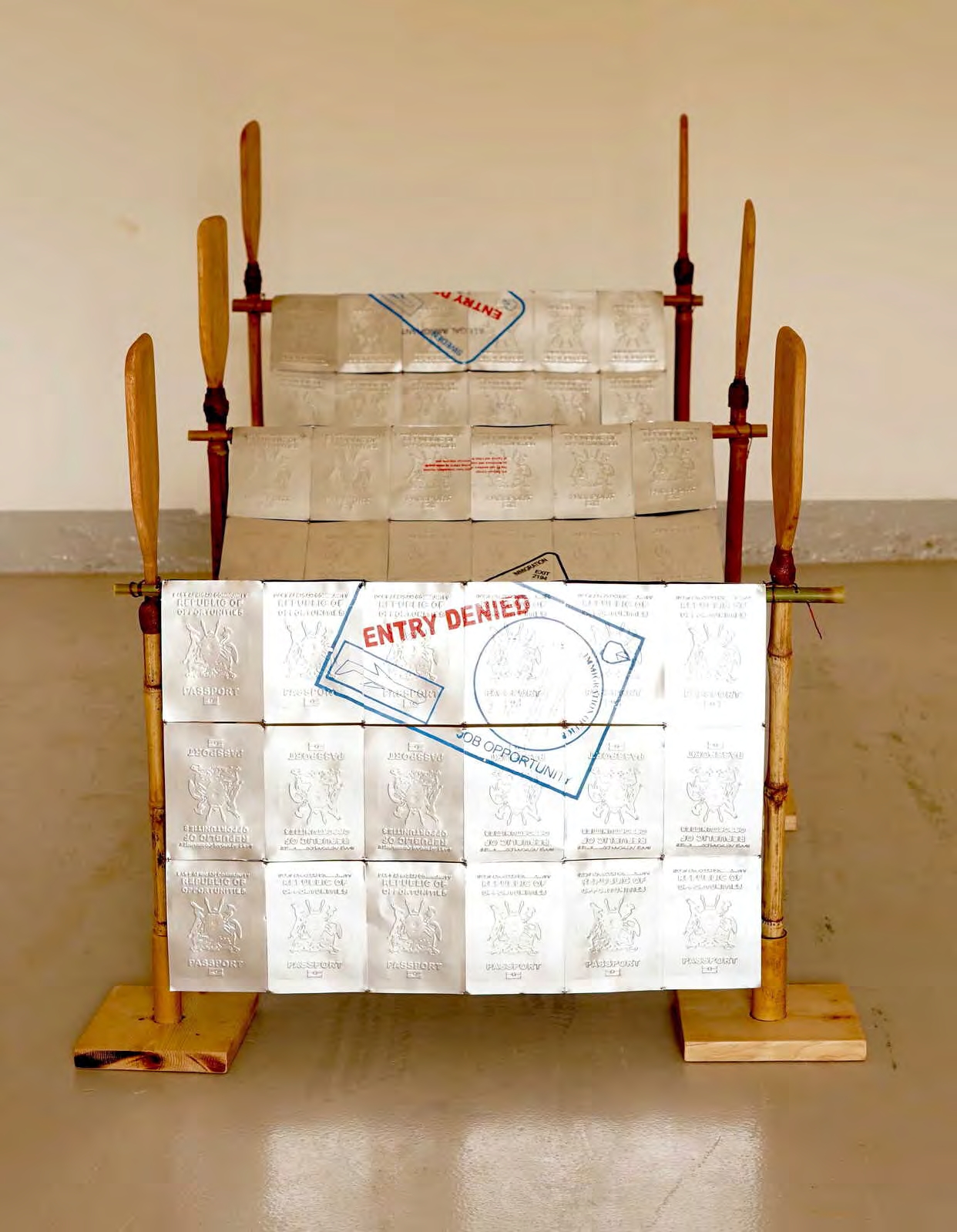
Deservedly, Republic of This and That has been a hit at home and abroad, the central plank in Odur’s growing reputation as a brilliant conceptual artist. In this ongoing project, which will be the subject of more exhibitions this year, Odur’s visual commentary on unrestricted and restricted mobility allows us to see anew the volatility of departure: what happens when the free movement of people has been complicated – and politicized – to such an extent that movement itself becomes an abstract idea, which it should not be.
Odur reimagines traditional passport booklets as metallic representations, fashioned from scrap metal and perhaps not worth so much, each containing visa endorsement stamps on various pages. Contemplating his work elicits amusement as well as a sense of danger, because one can perceive clearly that a passport doesn’t carry the weight of a nation no matter what others have to say. “A European will be like, ‘I want to go and visit Uganda.’ They will easily access it,” he told TWR. “But if I say I want to go to the U.S., I am thinking about 15,000 or 5,000 dollars I have to deposit. And then another layer of, ‘I am not sure if I will get the visa or not.’ It’s something that right now everyone is talking about.”
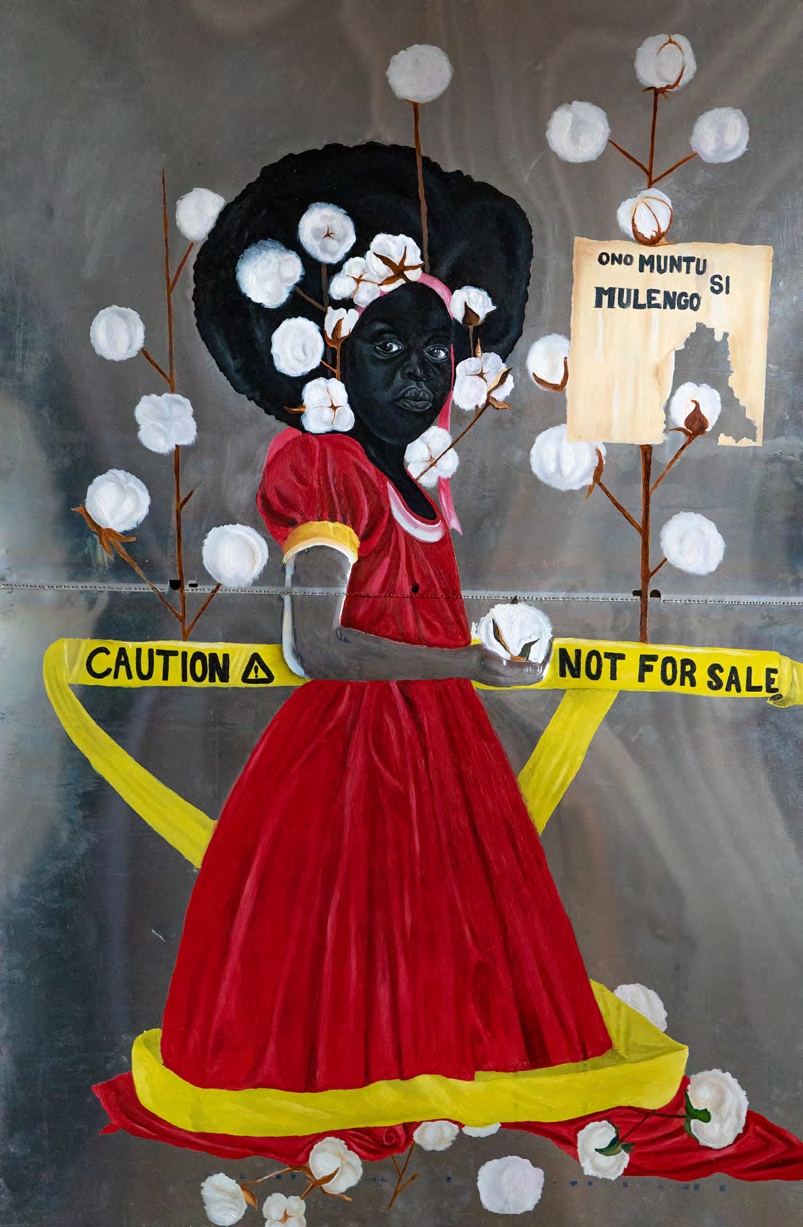
Odur’s portraits of women, often his sisters, in various poses of domestic solitude are equally striking. “Mulengo,” his painting of a young woman amid cotton balls, is a powerful statement on modern-day enslavement, which has emerged as one of the issues of our time because of the mass migration of women seeking menial work in the Middle East. The women increasingly face abuse, and some have lost their lives, while their governments seek praise for creating opportunities to work overseas. “Art is the only possible way to talk about these things,” Odur told TWR.
Odur cited a connection between his three bodies of work, and is working to find ways to unify them in one overarching project. “At some point I think I am going to merge everything,” he said, “because the work is connected in a way.”
Odur, who was born in Kampala in 1992, earned a degree in interior design from Kyambogo University in 2017. He has been widely exhibited, notably at the Liverpool Biennial of Contemporary Art in 2025, at the 60th Venice Biennale in 2024, at the Dak’Art Biennale in 2024, and at the African Union Headquarters in Addis Ababa during an event to mark two decades of the continent-wide body in 2022.
Odur’s beginnings were not privileged, but his childhood near the poor Kampala suburb of Katwe may have been a blessing in at least one sense: as a boy, he used to collect scrap metal in Katwe that he would try to sell. At the time, he hoped to earn money and buy toys. Now, wherever the scrap metal comes from, he just wants to make art. ▪